
Obedience as a Result
Quote Review
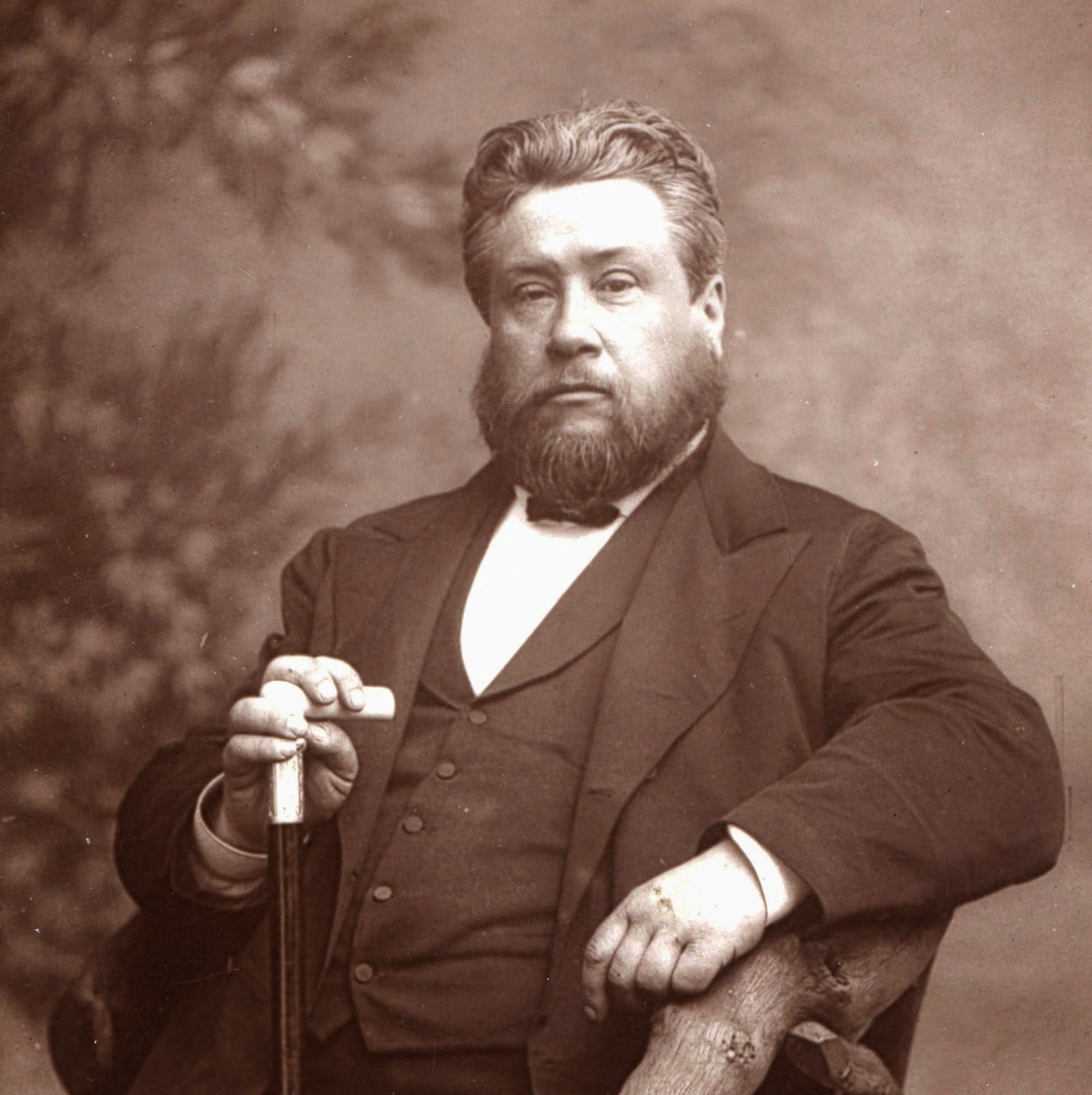
“We are not saved by obedience, for obedience is the result of salvation. We are saved by faith because faith leads us to obey.” – Charles Spurgeon
I came across this quote today and it sparked former conversations that I’ve had with many people from different belief systems. Specifically, for those who claim a Christian faith which is not accepted by Protestant beliefs. This is primarily to include Catholics, Seventh Day Adventists, Mormons, New Apostolic Reformation, and those who are moving into Hebrew Roots or Torah-ism. As I write this, it is not to try to dismantle those belief systems, but to address a common trope that is rooted in truth, however, tends to go too far.
The argument by these groups is presented as such. God’s laws are good for man (1 John 5:3; Ps 19:7-9; Gal 6:2). The summation of the Law is presented by Christ into two commandments (Matt 5:16-20) of loving God with all heart, soul, and mind (Deut 6,5), and to love your neighbor as yourself (Lev 19:18, 34). By doing these things, we accomplish God’s will for us. This Will is either for our protection or for how we serve Him. To accomplish these commandments, we must look to the Mosaic Law, specifically the Ten Commandments. Jesus did not abolish these laws but fulfilled them and provided us guidance for how we can accomplish them too. Thus, by observing the Ten Commandments, you are obeying Jesus. The outcome of obeying Jesus is (insert doctrine presented by these churches).
I cannot deny that this argument is difficult to combat because it is true. We cannot fall into the antinomian trap where we discard the Law as something obsolete and does not need to be followed.[1] I have many times found myself arguing into this position, only to have to come back and correct many of my statements. Rather, Spurgeon states it elegantly here in its subtlety. Nothing we do merits or warrants our salvation. Instead, we do begin to adhere to God’s wills and laws as we are saved due to the working of the Spirit in us.
I believe that this is accomplished through the renewal of my heart which does not force my actions against my will but instead alters my will towards one of righteousness. This will is not perfect, as sin and temptation are still present within me. However, present sanctification works in me so that my wants and actions conform me to the manner in which Christ lived. Thus, my salvation has produced obedience because my salvation resulted in rejuvenation and the Spirit’s indwelling.
The subtlety arises as to my motivations for actions. Why I do what I do is not a result of me recognizing or deliberately making these decisions. It doesn’t mean that at some point I didn’t consciously think about it, but rather I have been trained to where it is a reflex. The best analogy that I can think of is normally resultant with temper. Before my conversion, I was not an easygoing individual. I was angry at the world and everything within it. My fuse was short and many times an action would follow that would create harm. Today, it is not age that has tempered me, but a new heart. I am more forgiving, slower to anger, and compassionate towards others who do not recognize what they are doing.
I agree that at some point, I had to work hard to conform to Christ in this avenue. But this differs from those who speak of a different Gospel because I do not, nor have I ever believed, that my anger is a product of my salvation. I do recognize it as a marker of fruit in my life, of which we should examine the entire season and see growth and not expect a new tree to bear perfect fruit. Our motivations are as witnesses of Christ’s works and accomplishments and to call for repentance from unbelievers.
Instead, the Catholic Church’s spin on the gospel is not that one can earn salvation by their works, however, salvation is maintained through their obedience.[2] Therefore, Christ is necessary for initial salvation, but unless one maintains the seven sacraments ordained by the Catholic Church in the manner that they dictate, that individual may lose their salvation. This requires not obedience, but active works of man. That one may fall from grace though they have faith because they did not conform to a tradition or the authority of the pope.
Mormons and the New Apostolic Reformation (NAR) possess similarities in that they acknowledge modern-day Apostles. The foundation of this alone means that Scripture is not closed and can be added to or adjusted. The latter statement is often made with contradictions, which the current Canon does not possess. Beginning with Joseph Smith, for the Mormons, there came additional revelation that resulted in an additional book that must be referenced. This already screams of another gospel. Mormons then will state that their salvation is by the grace of Jesus alone, though the many doctrines have examined their text in the Book of Mormon and determined that there is a cooperation of man with Jesus to earn salvation.[3] These expositions generally come from a reading of 2 Nephi 25. The NAR is relatively new and is not doctrinally bound other than the appointment of new Apostles. The teachings are not aligned nor is there a commonality of heresy, but instead, it is a movement that is seeking new dreams and revelations, normally to promote individual power or prosperity.
Lastly, the Seventh Day Adventists (SDA) are large proponents of Sola Scriptura and not using any alternate books. However, they fell into the trap of the previous examples where interpretation was required from an individual who claimed to be either a prophet or to receive direct revelation from God. SDA uses many of the terms and feels largely like any other Protestant denomination, however, because they relied on the interpretations of a prophet, they have promoted an incorrect hermeneutic (translation of meaning) that is difficult to detect. Such as they promote the vision of Ellen G. White who saw a heightened need to keep the Sabbath in a dream and that the use of “Keep” is significant as the only commandment to use that term. Their adherence to the Sabbath is not due to individual faith or obedience, but because they believe that God has directly told them this has angered Him and delayed the Kingdom’s arrival. Therefore, rules are made on how to perform this work.[4]
While the intent of this writing was not meant to divert into apologetics on the Doctrine of Faith, of which I recommend everyone obtain a copy of the book, “The Doctrine on Which the Church Stands or Falls”, I felt compelled to give a brief synopsis of where I find Spurgeon’s quote to be relevant. In our system of faith, we desire to be obedient and the nature of humanity is to strive or be inclined to think that our faithfulness will be rewarded in some manner. Many of us regard this to be an eternal blessing. The concern though is when we attribute this reward with our actions, thus having earned the right through ourselves and not graciously given by the grace and mercy of our Lord.