
At the Cross
By Brooklyn Tabernacle Choir; Song Review
Written By: Carol Joy Cymbala, Onaje Jefferson, and Jason Michael Webb
Release Date: February 6, 2015
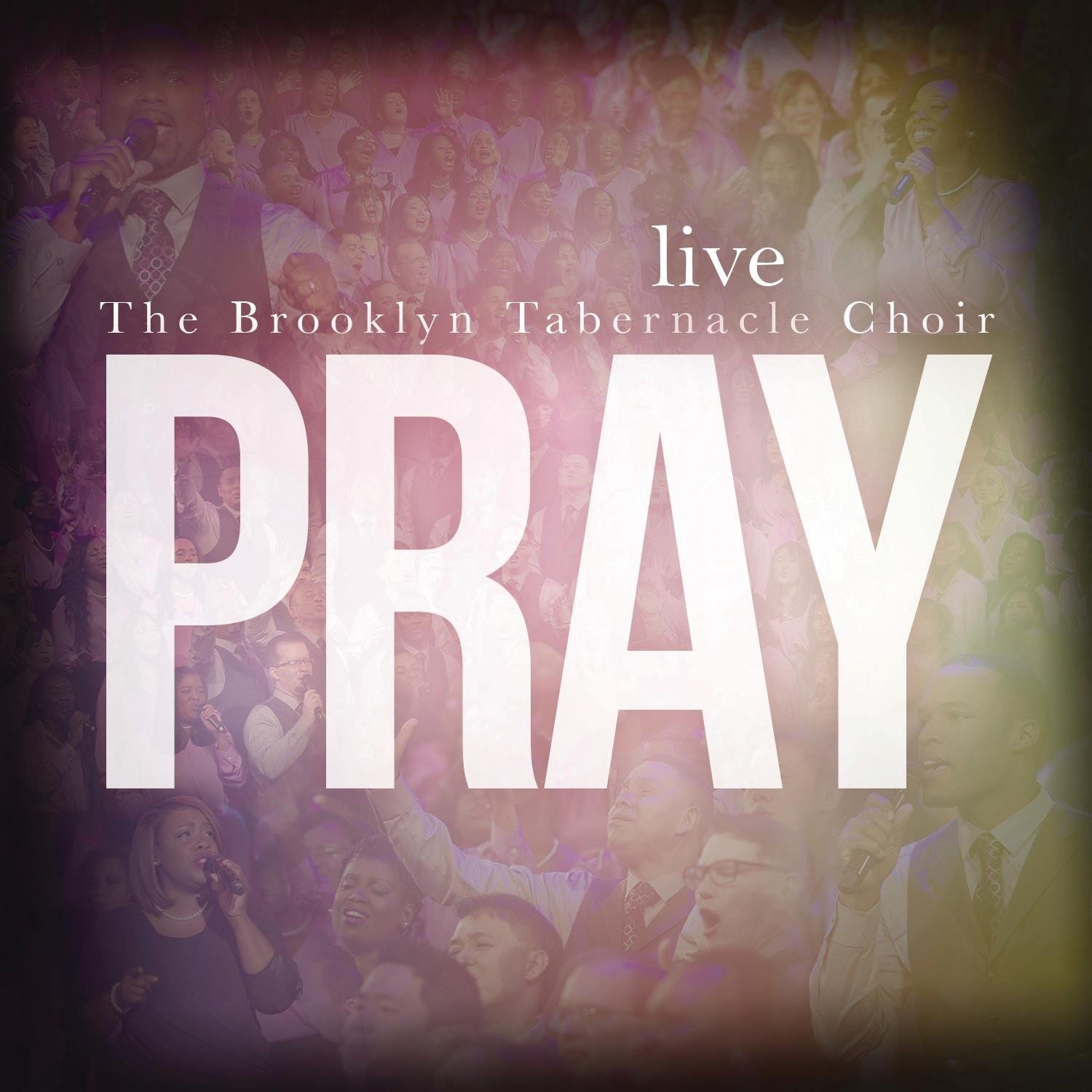
Lyrics obtained from “SongLyrics” as recorded on the Album “Pray.” While I normally do not like to use live performances, the choir aspect of this reduces much of the spontaneous verses that plague other live performances.
I find it necessary again to state that my song reviews are neither a condemnation nor approval of an artist or their host church, but looking at the lyrical quality. This statement is necessary because I know nothing of this church but saw that there have been potential controversies with the lead pastor as well as the theological leanings of the church are not my own.
Up front impression is that this is a passable song for use in corporate worship. The lyrics are direct and point to an important aspect of worship. While you cannot get the fullness of Scripture or the Gospel message from this song, it still provides worship by focusing on the work of God alone.
References to the Trinity:
This song has sole focus on the Son within the Trinity. This section is not meant to discredit the lyricists for not identifying the entirety of Scripture, but rather to point out when ambiguity exists in the focus or to elevate when the writers are able to attribute the whole Trinity. The authors of “At the Cross” should be commended for immediately pointing to the Son. The first word of the verse is Jesus and further elaborates on His eschatological position as our King. I also don’t believe it is necessary to explain where in the Trinity that Jesus exists, but the song makes clear to all believers and non-believers that He is the focus of worship and is elevated above us.
Gospel Message:
As alluded to above, this song doesn’t explain the entirety of the Gospel message, but I would claim that the lyrics expound on the meat of it. In context, the Gospel is summarized that God created everything in perfection; sin resulted in death and separated us from God; nothing we can do can remove sin; Jesus came incarnate and paid the price for sin through death and defeated death through His resurrection; everyone who places their faith in Him will have eternal life; this life begins now and lasts forever. This summary can be adjusted in any way as long as the major tenants are met.
Here, the lyricists make it known beginning in the verse that it was the action of Jesus that is the basis for the payment of our sins. The action of Christ has “made a way for me” and “His great love has set me free.” The basis of belief is not definitive as either through evidence or the effectual call of God, but the poetic language is indicative that Christ’s work has cleared spiritual blindness and that “knowing Him” itself builds up faith and trust. I could be reading into that last part, but the structure of “since I’ve come to know Him” preceded by “eyes are open.”
The chorus continues by stating exactly what occurred at Calvary. The debt we owe was paid solely by the death of Christ, having been crucified, whose blood accomplished what we could not. Many modern songs amplify the love of God for us, but this song pleasantly weaves in what that love costs. It was not simply accomplished by grace or forgiveness but resulted in a physical death characterized by the need for blood to wash away the sin.
Finally, the bridge itself allows for personalized praise, directing the singer to respond to the verse and chorus. In this praise, we acknowledge the metaphorical basis of Jesus as the lamb and his status as King. I also enjoy the lines, “For His grace and mercy, I have been redeemed.” Mercy is to have compassion and grace amplifies the compassion by giving a gift. The status of my redemption is passive on my part and completely active on His.
Overall:
I would categorize this song as appropriate for corporate worship. I do desire something more robust, as the song is written as a single verse, chorus, and bridge. More could be added but that is not enough to say that it is an unworthy song. I do not believe this song will have a timeless quality and find itself beyond this generation, but serves as a means of worship in any church today.